
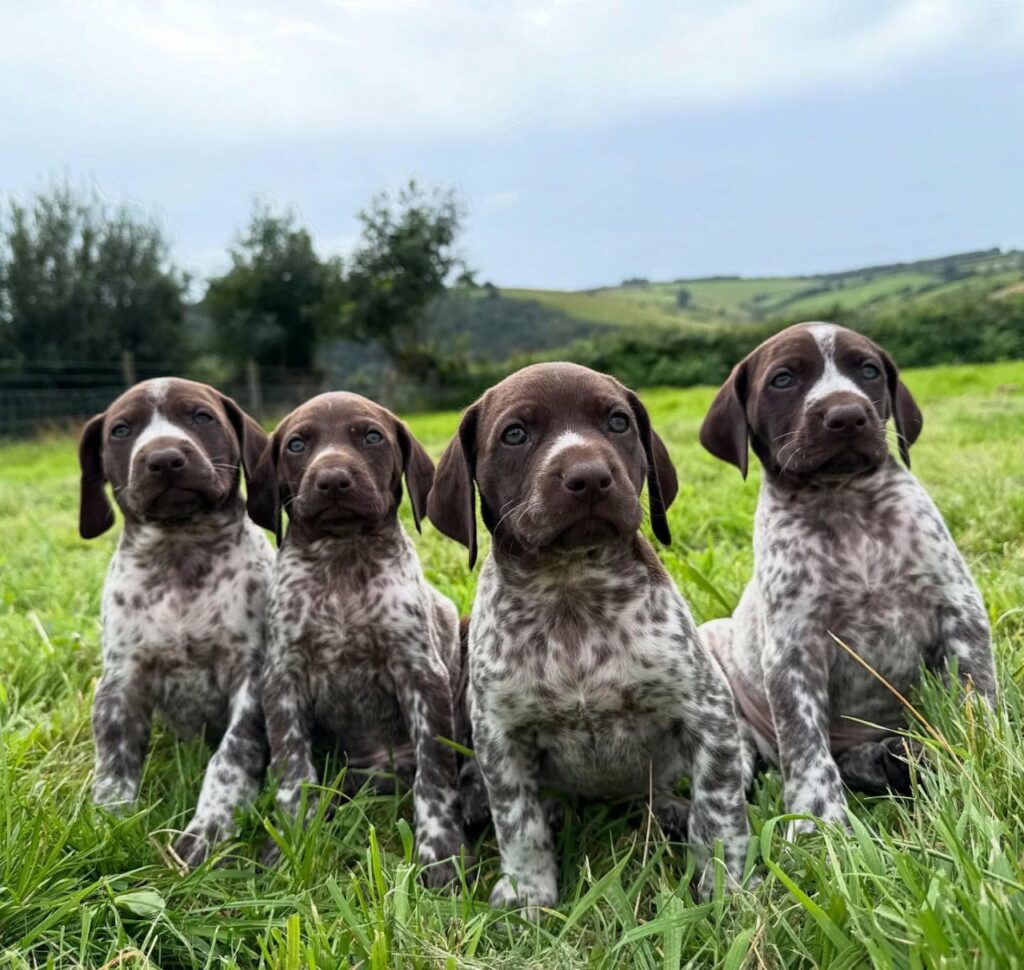
German Shorthaired Pointer puppies are known for being energetic, intelligent, athletic, and eager to explore. Their active nature is one of the qualities that makes the breed such a rewarding companion, but it also means that new owners need to understand how much exercise and mental stimulation a GSP puppy actually needs.
Providing the right amount of activity is important. Too little activity can leave a puppy bored and restless, while too much strenuous exercise can be inappropriate for a growing puppy.
This guide explains how to exercise a German Shorthaired Pointer puppy safely while helping them develop good habits.
Why German Shorthaired Pointer Puppies Need Exercise
German Shorthaired Pointers were developed as sporting dogs and are naturally active. They tend to enjoy running, exploring, retrieving, learning, and spending time with their owners.
Exercise helps provide an outlet for their natural energy, while mental stimulation helps keep their intelligent minds occupied.
A balanced routine can help your puppy:
- Build coordination and confidence
- Learn appropriate behavior
- Develop healthy habits
- Explore their environment
- Strengthen their bond with their owner
- Reduce boredom
- Practice obedience skills
However, exercise should always be appropriate for the puppy’s age and physical development.
How Much Exercise Does a GSP Puppy Need?
There isn’t one exact amount of exercise that is appropriate for every German Shorthaired Pointer puppy.
Age, development, health, temperament, and individual energy levels all matter.
Young puppies generally benefit from several short periods of activity throughout the day rather than long, demanding exercise sessions.
As a puppy grows, their ability to participate in longer and more structured activities gradually increases.
Instead of focusing only on the number of minutes your puppy exercises, pay attention to their behavior and physical condition.
If your puppy becomes excessively tired, struggles to keep up, repeatedly lies down, or seems uncomfortable, give them a break.
Short Walks for GSP Puppies
Walking can be a useful part of a puppy’s routine, but young puppies should not be expected to go on long-distance walks.
Short, relaxed walks allow your puppy to experience different sights, sounds, smells, and surfaces.
Walking can also become an opportunity to practice:
- Leash manners
- Responding to their name
- Walking beside you
- Calm behavior around distractions
- Basic commands
Keep early walks positive and allow your puppy time to explore safely.
Your veterinarian can advise you about when it is appropriate for your puppy to visit public areas, particularly while they are completing their recommended vaccinations.
Playtime for German Shorthaired Pointer Puppies
Play is one of the easiest ways to give a GSP puppy appropriate physical and mental activity.
Good puppy games can include:
Gentle Fetch
A short game of retrieving can encourage your puppy’s natural interest in carrying and retrieving objects.
Keep the game gentle and avoid repeatedly throwing objects long distances for a young puppy.
Tug Games
A controlled game of tug can provide mental and physical stimulation.
Teach your puppy to release the toy on command and stop the game if play becomes too rough.
Find the Toy
Hide a toy somewhere easy for your puppy to locate and encourage them to find it.
This type of game can provide mental stimulation without requiring intense physical exercise.
Mental Stimulation Is Just as Important
Exercise isn’t only about running.
German Shorthaired Pointers are intelligent dogs, so mental stimulation can be extremely valuable.
Training sessions, scent games, puzzle toys, and learning new commands can challenge your puppy without requiring prolonged physical activity.
For example, you can spend a few minutes practicing:
- Sit
- Come
- Stay
- Down
- Leave it
- Drop it
- Name recognition
Short training sessions can be more productive than trying to keep your puppy physically active all day.
Avoid Excessive Exercise
Because German Shorthaired Pointers are energetic, it can be tempting to exercise a puppy until they are completely exhausted.
That isn’t a good goal.
Puppies are still developing physically, and excessive high-impact exercise can place unnecessary stress on growing bones and joints.
Avoid making young puppies regularly participate in activities such as:
- Long-distance running
- Repetitive jumping
- Extended stair climbing
- High-impact agility
- Forced running beside a bicycle
- Very long hikes
The appropriate level of activity changes as your puppy matures.
If you’re unsure whether an activity is appropriate for your puppy’s age, ask your veterinarian.
Signs Your Puppy Needs a Break
Learning to recognize when your puppy is tired is important.
Signs that your puppy may need to rest can include:
- Slowing down
- Sitting or lying down frequently
- Losing interest in the activity
- Excessive panting
- Difficulty keeping up
- Becoming unusually quiet
- Appearing uncomfortable
Give your puppy access to fresh water and a comfortable place to rest.
Puppies also need plenty of sleep. Rest is an important part of healthy development.
Exercise and Training Can Work Together
One of the best ways to exercise a German Shorthaired Pointer puppy is to combine physical activity with training.
For example, instead of simply playing fetch for an extended period, you can ask your puppy to sit before throwing the toy.
You can practice recall by calling your puppy to you and rewarding them when they respond.
You can also use walks to practice calm leash behavior.
This approach helps your puppy learn while staying active.
Creating a Daily Routine
GSP puppies generally benefit from predictable routines.
A simple day could include:
Morning: Potty break, short play session, breakfast, and rest.
Midday: Short training session, supervised play, potty break, and rest.
Afternoon: Short walk or exploration appropriate for the puppy’s age, followed by rest.
Evening: Gentle play, training, dinner, and a calm bedtime routine.
The exact schedule should be adjusted according to your puppy’s age, health, energy level, and veterinarian’s recommendations.
What If Your GSP Puppy Is Extremely Energetic?
An energetic puppy isn’t necessarily a puppy that needs more and more physical exercise.
Sometimes puppies become more difficult to manage because they are overtired or haven’t learned how to settle down.
Teach your puppy that quiet time is part of the daily routine.
After play or training, encourage your puppy to relax in a safe area with an appropriate chew or toy.
Learning to settle is an important life skill.
Exercise for Adult German Shorthaired Pointers
As a GSP matures, their exercise needs increase.
Adult German Shorthaired Pointers often enjoy activities such as:
- Hiking
- Running
- Retrieving
- Swimming
- Long walks
- Scent work
- Field activities
- Obedience training
- Other appropriate sporting activities
Adult dogs should still be introduced gradually to demanding activities, particularly if they have not been conditioned for them.
Choosing a German Shorthaired Pointer for Your Lifestyle
Before bringing home a GSP puppy, think honestly about your daily schedule.
Ask yourself:
- Do I have time for daily exercise?
- Can I provide regular training?
- Do I enjoy outdoor activities?
- Can I give the dog enough companionship?
- Can I provide appropriate veterinary care?
- Am I prepared for the puppy stage?
- Will I be able to meet the dog’s needs as it becomes an adult?
A German Shorthaired Pointer can be an excellent companion for an active household, but choosing a breed that matches your lifestyle is important.
Final Thoughts
German Shorthaired Pointer puppies are active, intelligent, and curious dogs that benefit from a balanced combination of exercise, training, play, socialization, and rest.
The goal isn’t to exhaust your puppy. Instead, provide age-appropriate activity while teaching your puppy how to explore, learn, play, and settle calmly.
As your GSP grows, their physical abilities and exercise needs will change. Your veterinarian can help you determine what activities are appropriate for your individual puppy.
If you’re considering bringing home a German Shorthaired Pointer puppy, take time to learn about the breed and make sure you are prepared to provide the exercise, training, companionship, and care they need.
Looking for German Shorthaired Pointer Puppies?
If you’re ready to welcome a German Shorthaired Pointer into your family, visit our Available Puppies page to learn more about the puppies currently looking for their forever homes.
Before choosing a puppy, ask questions about veterinary care, vaccinations, deworming, socialization, parent health history, and the puppy’s individual needs. Making an informed decision can help you and your new companion get off to a great start.